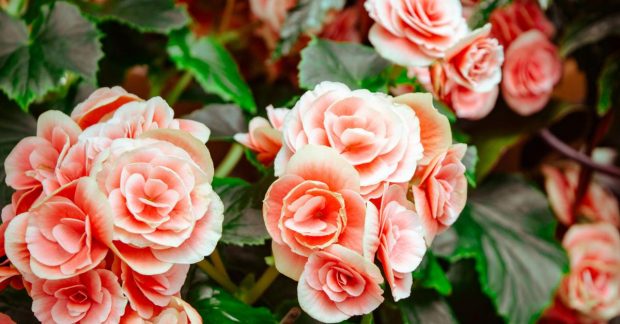
Indoor Plant Care: How to Properly Fertilize Begonias for Lush Blooms
Expert guidance on indoor plant maintenance in Novoyavorivsk: learn the correct fertilization techniques and schedules to help indoor begonias bloom profusely.
 💼Economy
Photo: UNIAN
Key points
- Essential fertilizer tips for indoor begonias
- Adjusting nutrients based on plant growth phases
- Safe application frequency and dilution methods
Indoor gardening enthusiasts in Novoyavorivsk frequently encounter the challenge of rapid soil depletion in flower pots. Because the volume of soil is limited, essential nutrients wash away quickly, leaving plants undernourished and unable to produce vibrant blossoms. Among popular indoor species, decorative begonias require careful attention to feeding schedules and nutrient composition to thrive.
Selecting the Right Nutrients for Each Growth Stage
Experts emphasize that there is no single universal fertilizer suitable for all phases of a plant's lifecycle. When the plant begins generating new foliage after its winter dormancy, it benefits from a balanced NPK fertilizer containing equal parts of nitrogen, phosphorus, and potassium. However, once the budding stage begins, nitrogen should be reduced because it encourages leaf growth at the expense of flowers.
During active blooming, gardeners should switch to phosphorus- and potassium-rich formulas, such as superphosphate or monopotassium phosphate, which stimulate bud development and overall plant resilience. It is crucial to apply fertilizers only to pre-moistened soil by watering the pot with plain water first, as this prevents root burn. Liquid fertilizers are generally superior for potted plants because roots absorb them almost instantly.
Optimal Frequency and Safe Application Rules
The standard recommendation for fertilizing during the blooming season is every 10 to 14 days. For exceptionally lush flowers, growers may apply nutrients weekly, provided the concentrated solution is diluted four times more than the manufacturer's recommendation. This method delivers a steady, gentle supply of nutrients without risking root damage.
Organic alternatives such as bone meal, seaweed extract, wood ash, or compost can also support vibrant growth. Once the flowers fade and the begonia enters its natural dormancy period, all fertilization must be halted until the next active cycle begins.
Source UNIAN — unian.ua/lite/advice/chem-podkormit-begoniyu-dlya-cveteniya-polezno… ↗
Read next
 🛡️Security
Rosstat data indicates a critical surge in Russian army combat casualties
An analysis of leaked Russian statistics shows that over 92% of deaths among Russian military personnel since 2022 are combat-related.
 🛡️Security
NATO strengthens eastern flank defense following incidents in Poland
The Alliance is considering deploying additional forces in Europe due to Russian missile incursions into Polish airspace.
 🏛️Politics
Marine Le Pen speaks out against Ukraine's EU integration
Leader of the French 'National Rally' party Marine Le Pen stated she does not see Ukraine in the EU or NATO, while calling for a peace conference.
 🛡️Security
Defense against jet drones: results of the Staff of the Supreme Commander-in-Chief
President Volodymyr Zelenskyy discussed strategies to counter Russian jet UAVs and strengthen export controls on components.
 🛡️Security
President warns of new Russian mass missile attacks
Volodymyr Zelenskyy announced that intelligence services have detected preparations by Russia for new missile strikes. The President urged citizens to remain vigilant and…
 🛡️Security
Energy Grid Protection: President Discusses Strategic Steps to Stabilize Power Supply
Volodymyr Zelenskyy held a meeting on strengthening the protection of energy facilities and restoring stable power supply across the regions.