Cascade crisis in metallurgy threatens Ukrainian communities and state budget finances
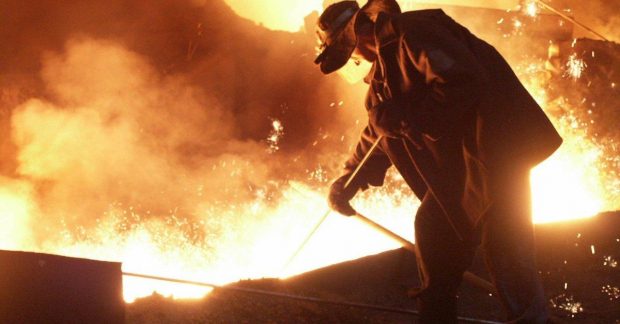
Production cuts in Ukraine's mining and metals sector due to shelling, logistics issues, and energy deficits have led to falling tax revenues and threaten jobs.
 💼Economy
Photo: UNIAN
Key points
- Production drops in metallurgy cause tax and job deficits.
- Key industry challenges include shelling, power shortages, and complex logistics.
- Industrial cities are forced to cut development budgets and infrastructure spending.
- The crisis is cascading, impacting related sectors and small businesses.
The crisis in Ukraine's metallurgy industry has ceased to be a localized problem for individual enterprises and has turned into a serious threat to the financial stability of both state and local budgets. Reductions in production volumes inevitably lead to lower tax payments, job losses, and a drop in orders for related economic sectors, according to an analytical review by the GMK Center.
Previously, mining and metals enterprises provided a substantial share of revenues, but the situation has noticeably worsened. The main reasons cited include Russian shelling, logistics and export problems due to the blockade of Black Sea ports, restrictions in European Union markets, and an acute electricity shortage. Specifically, in the first nine months of the current year, leading producers such as Metinvest and the Dneprovsky Metallurgical Plant recorded a significant decline in tax payments, VAT, and corporate income tax receipts.
Chain reaction for the economy and local communities
Industrial cities, where budgets directly depend on payments from big businesses, feel the consequences most acutely. Declining personal income tax and land tax revenues are forcing local authorities to sequester budgets, cutting spending on infrastructure development, road repairs, schools, and hospitals. Analysts note this triggers a genuine chain reaction, as falling household incomes lead to reduced consumption and lower revenues for small businesses and the service sector.
According to Metinvest CEO Yuriy Ryzhenkov, the industry has reached a critical point where the loss of production and export capabilities threatens not only businesses but thousands of jobs across the country. For the state budget, this means additional pressure amid record defense and recovery spending, increasing dependence on external financing. Experts believe that solving the problem requires comprehensive steps, including ensuring stable energy supplies and resolving logistical bottlenecks.
Source UNIAN — unian.ua/society/kaskadniy-efekt-padinnya-virobnictva-u-metalurgiji… ↗
Read next
 🛡️Security
Massive Attacks Target Ukraine's Infrastructure: Railway and Energy Systems Hit
A fresh wave of Russian strikes across Ukrainian regions has left six people dead and dozens injured, with damage reported to railway facilities, energy grids, and reside…
 👥Society
Pet safety in Novoyavorivsk: store access rules and the ban on leaving animals in the cold
The State Food and Consumer Service reminds pet owners of legal restrictions regarding leaving animals unattended and store access policies.
 🛡️Security
New Nuclear Threats from the Kremlin: Medvedev Mentions Preemptive Strike
Deputy Chairman of the Russian Security Council Dmitry Medvedev has once again used rhetoric regarding the potential use of nuclear weapons against Ukraine and its partne…
 🇺🇦Ukraine
European Commission prioritizes multilateral format for talks with Russia
The European Commission has acknowledged an invitation from Russia to visit Moscow but maintains its focus on multilateral negotiations.
 🏛️Politics
SAP prosecutor praises NABU media team amid criticism over evidence quality
SAP prosecutor Rostyslav Batig addressed concerns regarding the substitution of evidence with media campaigns, commending the professionalism of NABU's video editors.
 🇺🇦Ukraine
Munich converts former BMW offices into housing for Ukrainian refugees
Munich authorities have leased a portion of a former BMW administrative complex to provide housing for 600 people, including Ukrainians.