UN International Court of Justice finds Myanmar responsible for genocide
In a historic ruling, the UN International Court of Justice found Myanmar responsible for committing genocide against the Rohingya minority.
 🇺🇦Ukraine
Photo: Ukrainska Pravda
Key points
- UN court issues its first-ever ruling holding a state responsible for genocide.
- The case focuses on military actions against the Rohingya in Myanmar.
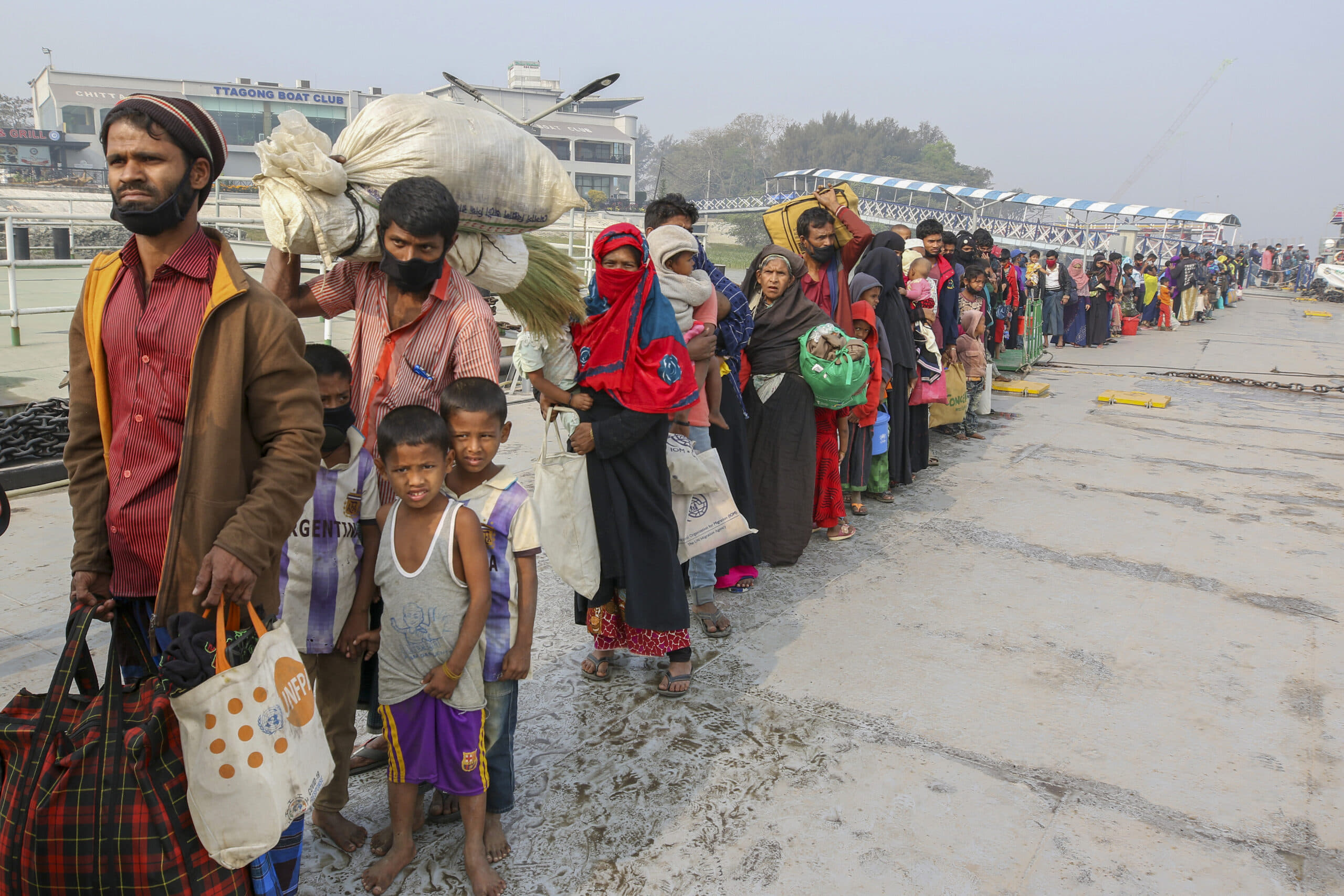
- Over 700,000 refugees fled to Bangladesh during the 2017 crackdown.
- The verdict establishes a major legal precedent for international courts.
The UN International Court of Justice has delivered a landmark ruling, determining that Myanmar committed acts of genocide against its Rohingya Muslim minority. This marks the first time in the history of the UN court in The Hague that a state has been officially held responsible for the crime of genocide.
Background of the crisis and court orders
During military operations in Rakhine State in 2016–2017, the country's armed forces drove more than 700,000 Rohingya to flee across the border into Bangladesh. Refugees reported mass killings, widespread sexual violence, and the destruction of entire villages. The case was brought to the court in 2019 by Gambia on behalf of the surviving victims.
The court ordered Myanmar to cease violations of the Genocide Convention, investigate and punish perpetrators, and guarantee the safe return of refugees alongside financial reparations. Currently, over one million Rohingya remain displaced in Bangladesh, while fewer than 600,000 remain inside Myanmar.
Global precedent and significance
Legal experts emphasize that this ruling sets a critical precedent for ongoing and future cases regarding state-sponsored genocide globally. For Ukraine, which is engaged in its own legal battles against Russia at international tribunals over the misuse of genocide allegations, such precedents underscore the evolving power of international accountability.
For the residents of Novoyavorivsk and the broader Ukrainian community, this decision highlights the persistent nature of international justice. Even in complex geopolitical realities, systematic documentation and legal perseverance can eventually lead to the formal recognition of state crimes and the pursuit of justice for victims.
Source Ukrainska Pravda — pravda.com.ua/news/2026/11/19/8063626/ ↗
Read next
 🛡️Security
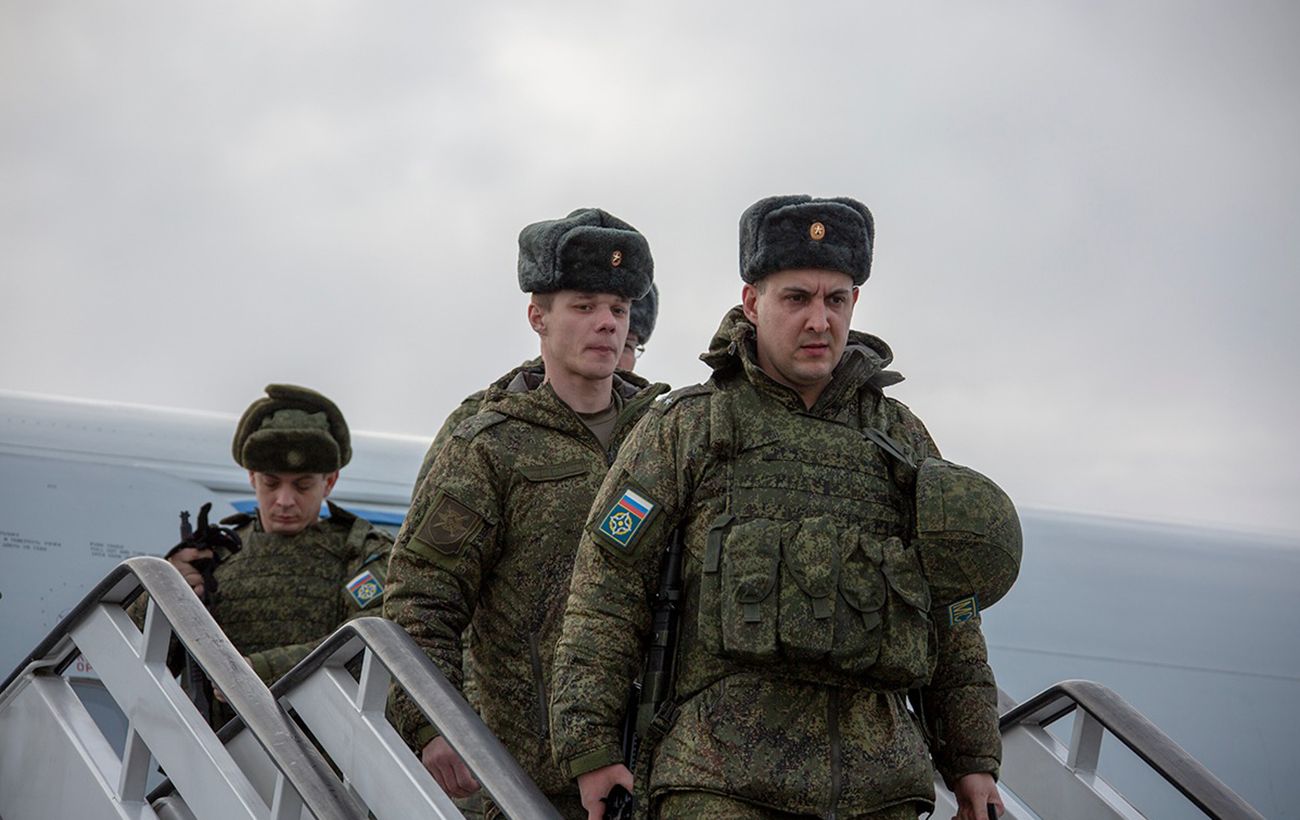
Rosstat data indicates a critical surge in Russian army combat casualties
An analysis of leaked Russian statistics shows that over 92% of deaths among Russian military personnel since 2022 are combat-related.
 🛡️Security
NATO strengthens eastern flank defense following incidents in Poland
The Alliance is considering deploying additional forces in Europe due to Russian missile incursions into Polish airspace.
 🏛️Politics
Marine Le Pen speaks out against Ukraine's EU integration
Leader of the French 'National Rally' party Marine Le Pen stated she does not see Ukraine in the EU or NATO, while calling for a peace conference.
 🛡️Security
Defense against jet drones: results of the Staff of the Supreme Commander-in-Chief
President Volodymyr Zelenskyy discussed strategies to counter Russian jet UAVs and strengthen export controls on components.
 🛡️Security
President warns of new Russian mass missile attacks
Volodymyr Zelenskyy announced that intelligence services have detected preparations by Russia for new missile strikes. The President urged citizens to remain vigilant and…
 🛡️Security
Energy Grid Protection: President Discusses Strategic Steps to Stabilize Power Supply
Volodymyr Zelenskyy held a meeting on strengthening the protection of energy facilities and restoring stable power supply across the regions.