Microplastic Triggers Dangerous Chemical Reactions in Water, Study Shows
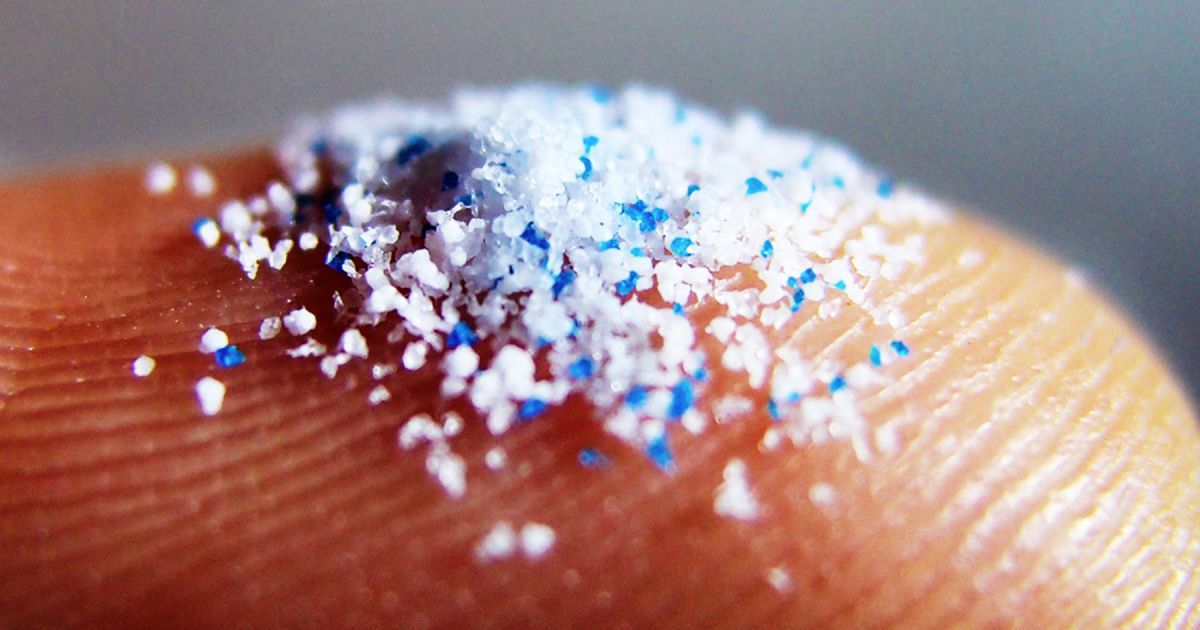
Researchers discovered that microplastic particles can initiate chemical reactions capable of damaging cell structures upon contact with water.
 🩺Health
Photo: TSN
Key points
- Microplastics form reactive oxygen species upon water contact.
- Polyethylene and polypropylene showed the highest chemical activity.
- Laboratory tests revealed cellular damage from polystyrene particles.
A collaborative study by researchers from Columbia University and the University of California, Berkeley, has revealed a hidden danger associated with microplastics. The findings indicate that tiny plastic fragments do not simply act as passive pollutants in the environment, but can actively trigger chemical reactions when interacting with water.
Chemical Activity on Plastic Surfaces
Scientists found that reactive oxygen species, including hydroxyl radicals, form on the surface of plastic particles in water. These chemically active molecules can potentially damage proteins, DNA, and cellular structures. Out of six tested plastic types—polyethylene, polypropylene, polystyrene, PVC, PET, and acrylic—polyethylene and polypropylene showed the highest reactivity.
Cellular Impact and Everyday Sources
Laboratory tests involving mouse red blood cells demonstrated that exposure to polystyrene led to cell deformation and rupture. Everyday sources of microplastics include washing synthetic fabrics, heating plastic containers in microwaves, and exposing water bottles to sunlight. However, researchers emphasize that these are laboratory findings and do not yet serve as direct proof of chronic health effects in humans.
Source TSN — tsn.ua/zdorovya/mikroplastyk-vyiavyvsia-nebezpechnishym-niz-vvazaly-shc… ↗
Read next
 🛡️Security
Energy workers restore power in Rivne region following Russian attack
Electricity supply has been fully restored in the Sarny district of the Rivne region after being disrupted by a Russian attack on November 20.
 🏙️City
Autumn Rose Care in Novoyavorivsk: Pruning Tips for Gardeners
Experts explain why it is important to avoid aggressive pruning of roses until steady frosts arrive.
 🇺🇦Ukraine
Estonia supports Ukraine's right to self-defense following Gulf of Finland incident
Estonian Foreign Minister Margus Tsahkna stated that the strike on a Russian vessel is a consequence of Russia's war, affirming Ukraine's right to defend itself.
 🚨Events
Elderly woman rescued from rubble in Dymer: death toll rises
Search and rescue operations continue in the village of Dymer, Kyiv region, following a drone strike on a residential building. The number of confirmed fatalities has ris…
 🛡️Security
Russian corvette allegedly hit by Ukrainian drones in Libya
A Russian military ship, the corvette 'Mercury', exploded in the port of Benghazi, with reports suggesting a potential attack by Ukrainian maritime drones.
 🛡️Security
Russia tests NATO defense algorithms through airspace provocations, says Colonel Kashchenko
Military expert Dmytro Kashchenko stated that Russia is using airspace violations in Alliance countries to test the readiness of their air defense systems.