Global Veto on Rules for 'Killer Robots': Why Geneva Talks Hit a Deadlock
Talks in Geneva on a legally binding treaty for autonomous weapons have collapsed due to opposition from Russia and other states, stalling international regulation of AI-driven military systems.
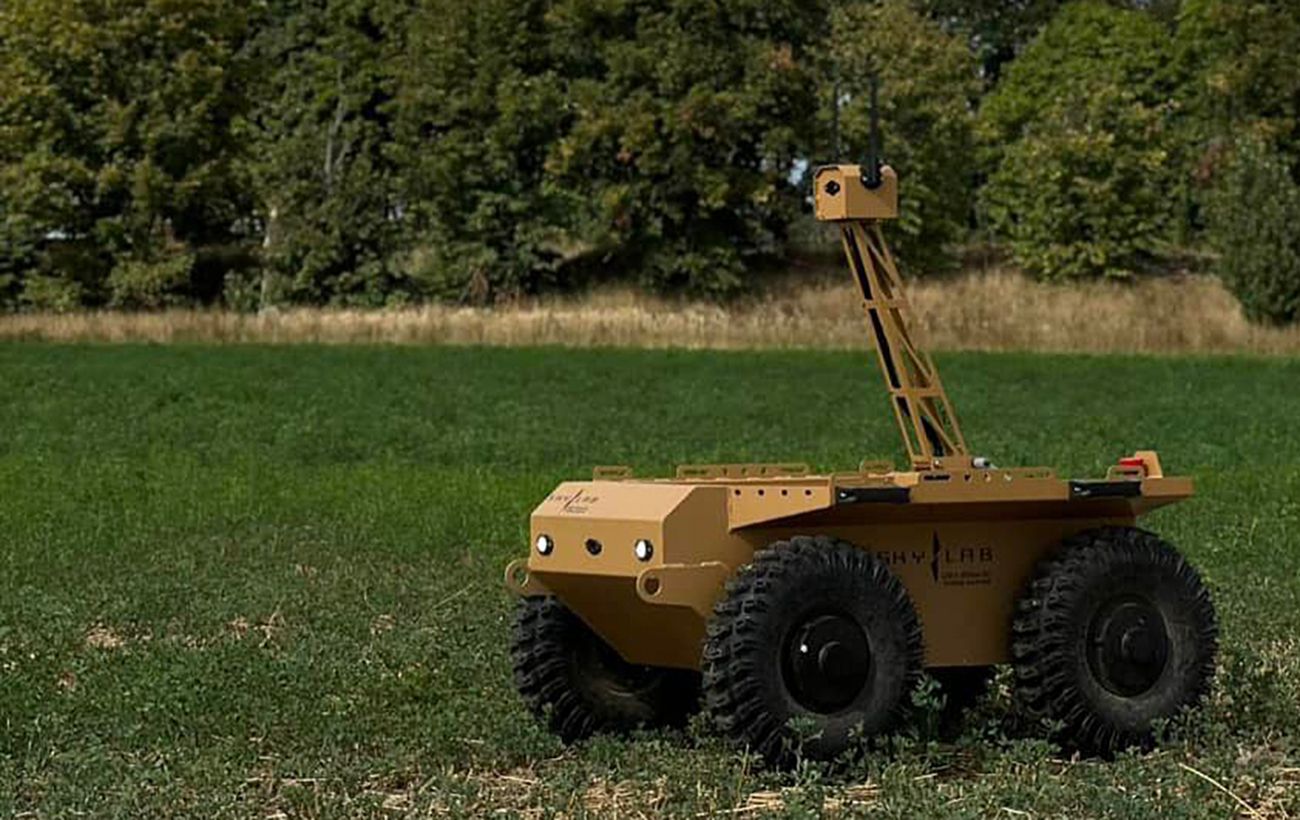 🧠AI Analysis
Photo: RBC-Ukraine
Key points
- Collapse of Geneva talks on a legally binding treaty for autonomous weapons
- Russia and other nations blocked strict regulations on artificial intelligence military systems
- Over 100 states advocated for new legal norms amid rapid technological advancements
International efforts to establish robust legal frameworks for regulating so-called 'killer robots' have suffered a major setback during a conference in Geneva. A week of negotiations regarding a mandate for a legally binding international treaty on autonomous weaponry ended without result due to objections raised by the Russian delegation and several other states opposed to strict constraints. Instead of a mandatory document, participants of the UN Convention on Certain Conventional Weapons agreed on a softer format, tasking nations with developing non-binding recommendations through consensus.
State Positions and the Role of UN Consensus
A defining feature of the negotiation process within this convention is the requirement for consensus among all 128 participating countries. This rule effectively allows individual states to veto decisions. According to diplomats, the Russian delegation deliberately stalled discussions to prevent the adoption of binding rules. Meanwhile, other major players—including the United States, the United Kingdom, France, Germany, Japan, and South Korea—were also unwilling to commit to a binding treaty. Conversely, over 100 nations insisted on the urgent need for new legal instruments, emphasizing that the rise of military AI systems poses unprecedented security challenges.
Experts and human rights advocates harshly criticized the outcomes of the Geneva meeting. Representatives of international organizations argued that world leaders demonstrated a lack of political urgency in addressing threats that have already materialized in modern armed conflicts. While diplomats continue discussions without clear deadlines, military AI technologies are advancing rapidly, vastly outpacing the international legal landscape.
Source RBC-Ukraine — rbc.ua/ukr/news/rosiya-znyala-zaperechen-zhenevi-domovilisya-179542… ↗
Read next
 💡Tech
Morocco Builds Giant Solar Power Plant That Generates Electricity at Night
The 580 MW Noor complex near the Sahara Desert uses thermal storage technology to continue producing electricity long after sunset.
 🚌Transport
Weather Warning: Snowfalls and Black Ice Expected Across the Country in Coming Days
A cold snap bringing snow and icy roads is sweeping across Ukraine, prompting warnings for drivers and pedestrians.
 🎭Culture & Sport
Signal restricts screenshots to protect user chats from AI agents
The secure messaging app Signal is implementing screenshot restrictions on iOS and Android to prevent data harvesting by operating system-integrated artificial intelligen…
 🎭Culture & Sport
Over 40,000 Roman-era coins discovered under a house in France
During home expansion work in northeastern France, researchers uncovered three caches containing more than 40,000 ancient Roman coins dating back about 1,700 years.
 👥Society
Western intelligence warns of Russian plans to deploy nuclear weapons in space this year
According to Western intelligence agencies, Russia is preparing to orbit a satellite equipped with a nuclear warhead, threatening global communications and navigation.
 ⚽Sport
Usyk swapped the ring for a basketball court in London and challenged NBA legend
Ukrainian boxer Oleksandr Usyk participated in a charity basketball match in the British capital, playing alongside legendary Scottie Pippen.